Discovering the Benefits of Making Use Of Aluminum Castings in Modern Production
Aluminum castings have ended up being significantly appropriate in modern manufacturing because of their unique residential properties. The light-weight nature of aluminum enables more detailed layouts, particularly advantageous in industries such as vehicle and aerospace. Its deterioration resistance prolongs item lifespan, while cost-effectiveness enhances production efficiency. These advantages invite a closer exam of aluminum's role in numerous applications and its effect on design versatility and sustainability in manufacturing processes.
Light-weight Characteristics and Their Effect on Style
The lightweight homes of aluminum castings considerably influence contemporary layout techniques across various markets. Designers and engineers often focus on weight reduction in their tasks to enhance efficiency and efficiency. This characteristic enables the development of intricate forms and layouts that would certainly be testing with heavier materials. In industries such as automotive and aerospace, where every gram counts, aluminum castings add to fuel performance and minimized emissions. Additionally, the ease of manufacturing procedures like die casting makes it possible for the production of complex geometries, bring about ingenious product styles. The capability to stabilize stamina and weight makes aluminum an attractive alternative for makers seeking to maximize item functionality while lessening manufacturing costs. As sectors remain to advance, the fostering of aluminum castings is likely to broaden, cultivating brand-new chances for design creative thinking and design developments. On the whole, the lightweight nature of aluminum is a key consider shaping modern production methods.
Superior Rust Resistance for Durability
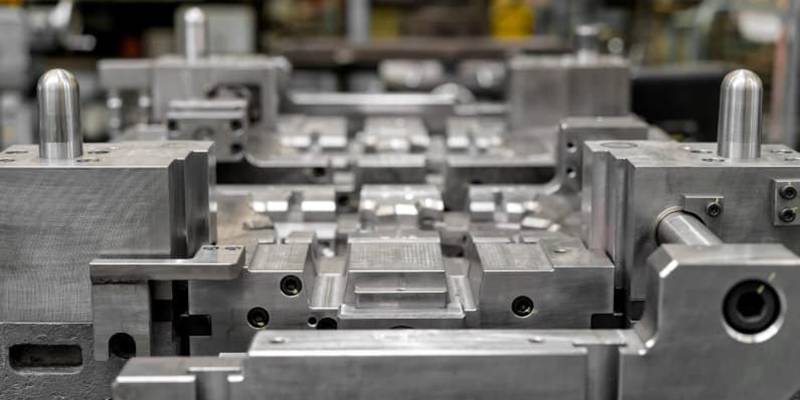
Many materials experience from degradation over time, aluminum castings stand out for their superior rust resistance, considerably improving the long life of products. This resistance is primarily associated to the all-natural development of a safety oxide layer on the aluminum surface, which prevents more oxidation and prevents rusting. Unlike steel or iron, aluminum does not rust easily when subjected to wetness or various chemicals, making it an excellent choice for applications in harsh atmospheres.
In enhancement, aluminum castings keep architectural integrity over expanded periods, decreasing the requirement for regular replacements. This reliability is crucial in markets such as auto, aerospace, and aquatic, where component failing might lead to considerable security problems. By selecting aluminum castings, suppliers can assure that their products not only withstand the examination of time but additionally perform constantly under difficult conditions, inevitably benefiting both manufacturers and end-users through boosted durability and less maintenance demands.
Cost-Effectiveness in Production
Cost-effectiveness in aluminum casting manufacturing is driven by a number of key elements. Lowered material waste contributes to decrease production expenses, while rapid production times boost overall efficiency. These aspects collectively position aluminum castings as a practical alternative for suppliers seeking to optimize their operations.
Minimized Product Waste
Lowering product waste in aluminum casting not just improves sustainability yet also noticeably lowers production costs. Effective use of basic materials is vital in modern-day manufacturing, where decreasing waste can cause considerable savings. Aluminum casting processes enable elaborate layouts with exact requirements, which helps to optimize product usage and decrease extra. Methods such as near-net form casting even more limit the amount of scrap created during production. Furthermore, the recyclability of aluminum adds to a decrease in waste, as leftover materials can be melted and recycled in future applications. By adopting aluminum casting approaches, producers can accomplish not only an extra eco-friendly operation but additionally a structured production process that makes best use of source effectiveness and minimizes total product prices.
Lower Manufacturing Prices
Quick Manufacturing Times
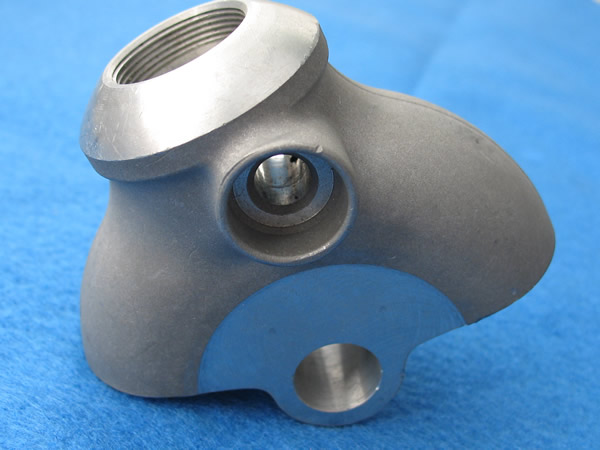
While numerous elements add to the total performance of making processes, rapid manufacturing times attract attention as a remarkable benefit of aluminum casting. This method permits the fast production of elements, significantly decreasing lead times. The ability to create intricate shapes with high precision suggests that suppliers can rapidly react to market demands and scale manufacturing as needed. Furthermore, aluminum's favorable thermal homes enable much faster cooling rates, even more quickening the total casting procedure. Much shorter production click this link cycles lead to boosted supply turn over and minimized operational prices. By reducing hold-ups and improving throughput, aluminum casting supports a much more dexterous production environment, inevitably contributing to enhanced competition in the market.
Design Flexibility and Facility Geometries
Aluminum castings provide exceptional style adaptability, enabling the creation of complex geometries that would certainly be testing with various other products. This capacity permits makers to create lightweight structural remedies that boost total efficiency and efficiency. In addition, the rapid prototyping potential of aluminum castings increases the growth procedure, facilitating development in style.
Intricate Layout Capabilities

Light-weight Structural Solutions
Manufacturers significantly take advantage of aluminum castings to supply light-weight structural services that do not endanger on strength or resilience. The intrinsic buildings of aluminum, including its low density and high strength-to-weight ratio, make it an excellent selection for applications where weight reduction is crucial. This light-weight characteristic facilitates layout versatility, enabling engineers to develop intricate geometries that traditional materials may not accommodate. Additionally, aluminum castings can be tailored to certain efficiency needs, improving functionality without adding excessive weight. This adaptability makes it possible for the manufacturing of complex parts for numerous sectors, such as aerospace and vehicle, where effectiveness and efficiency are paramount. On the whole, aluminum castings play an essential duty in progressing modern-day production through cutting-edge architectural layouts.
Rapid Prototyping Potential
Rapid prototyping has actually arised as a game-changer in contemporary production, especially when it pertains to develop adaptability and the ability to create complex geometries. Aluminum castings facilitate this advancement, allowing designers to generate elaborate styles that would certainly be tough or impossible with conventional approaches. The light-weight nature of aluminum boosts the convenience of control during the prototyping stage, making it possible for rapid models and modifications. In addition, the product's superb thermal conductivity and deterioration resistance add to the toughness of prototypes, making them suitable for testing in real-world problems. Because of this, suppliers can speed up item development cycles, decrease expenses, and boost advancement. Inevitably, the assimilation of aluminum castings into rapid prototyping processes sustains the production of advanced, high-performance elements tailored to specific applications.
Boosted Thermal and Electrical Conductivity
While aluminum castings are renowned for their light-weight properties, their boosted thermal and electric conductivity additionally plays an essential function in contemporary manufacturing. This characteristic makes aluminum an excellent hop over to here choice for applications requiring efficient warm dissipation and electric efficiency. As an example, elements in electronics gain from aluminum's ability to efficiently move heat, therefore minimizing the danger of getting too hot and extending device lifespan. In automobile and aerospace markets, aluminum castings add to enhanced thermal administration systems, advertising energy efficiency.
The high electrical conductivity of aluminum enables for its prevalent usage in electric parts, such as connectors and bus bars. This feature not only lowers energy loss throughout transmission but additionally improves general performance. The combination of these homes positions aluminum castings as a preferred material in numerous applications, driving advancement and effectiveness in producing procedures across various fields.
Sustainability and Environmental Benefits
Aluminum castings offer significant sustainability and ecological advantages, straightening with the growing focus on environment-friendly manufacturing practices. One of the main benefits of aluminum is its recyclability; as much as 95% of aluminum can be recycled without shedding top quality. This procedure consumes just a portion of the energy required for key manufacturing, considerably lowering greenhouse gas discharges.
In addition, aluminum is lightweight, which adds to power performance in transportation and product usage. Its durability and resistance to corrosion expand the lifespan of products, decreasing waste and the demand for regular replacements. The use of aluminum castings can lead to a lot more reliable production processes, as they usually require less power and product compared to conventional techniques.
Applications Throughout Different Industries
As industries significantly look for versatile products for innovative applications, aluminum castings have become a prominent choice across numerous fields. In the automobile industry, lightweight aluminum castings add to improved fuel performance and efficiency, while in aerospace, they provide strength without jeopardizing weight, vital for airplane layout. The consumer electronics industry advantages from aluminum's superb thermal conductivity, making it perfect for warmth sinks and enclosures. Additionally, the construction sector utilizes aluminum castings for window frames, roof covering elements, and structural aspects because of their resilience and resistance to corrosion. Moreover, the medical equipment sector counts on aluminum castings for generating precise, lightweight components that meet stringent hygiene criteria. These varied applications highlight the versatility of aluminum castings, making them a recommended product for suppliers intending to innovate and boost item efficiency across various areas.
Frequently Asked Concerns
Just How Are Aluminum Castings Produced in the Production Refine?
Aluminum castings are produced through a process entailing melting aluminum, pouring it right into mold and mildews, and allowing it to strengthen. Aluminum Casting. This technique allows the production of complicated shapes and specific measurements required in numerous applications
What Precaution Are Needed When Dealing With Aluminum Castings?
When functioning with aluminum castings, vital precaution consist of wearing safety gear, making certain appropriate air flow, applying fire security protocols, and maintaining devices to stop accidents, thus guarding workers against potential threats related to the see here now casting process.
Can Aluminum Castings Be Recycled, and How Is This Done?
Aluminum castings can undoubtedly be reused successfully. The procedure involves collecting scrap aluminum, thawing it down in furnaces, and after that reforming it into brand-new products, thereby saving sources and reducing ecological impact in production.
What Are the Usual Problems in Aluminum Castings and Just How to Stay clear of Them?
Usual defects in aluminum castings include porosity, contraction, and surface area imperfections. To stay clear of these concerns, proper mold and mildew style, temperature level control, and product selection are important, ensuring ideal casting problems and lowering the likelihood of issues.
Just How Do Aluminum Castings Compare to Various Other Materials in Terms of Stamina?
Aluminum castings show favorable strength-to-weight ratios compared to numerous products - Aluminum Casting. While generally much less solid than steel, they outmatch plastics and supply enough strength for numerous applications, making them a functional option in making procedures
Comments on “Proven strategies for maintaining quality in Aluminum Casting production”